
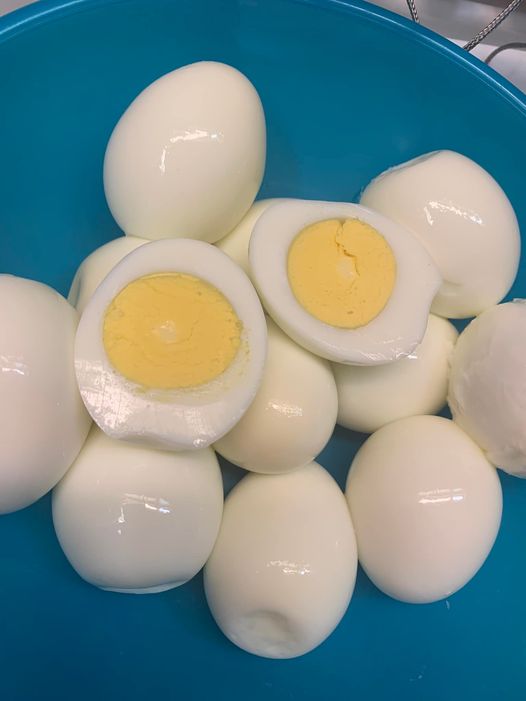
Air Fryer Hard Boiled Eggs: The Complete Guide to Perfect Eggs Every Time
Introduction
Hard boiled eggs are one of the simplest yet most versatile foods in kitchens around the world. They are enjoyed at breakfast, sliced into salads, mashed into sandwiches, or eaten on their own as a nutritious snack. Traditionally, hard boiling eggs involves a pot of water, careful timing, and sometimes the frustration of cracked shells or difficult peeling. However, modern kitchen appliances have transformed even the most basic recipes—and the air fryer is one of the most impressive examples of this transformation.
The air fryer, once known mainly for producing crispy fries and chicken wings with little oil, has proven to be far more versatile than many home cooks initially expected. From baked goods to vegetables, meats, and now eggs, this countertop appliance has become a staple in many kitchens. One of the most surprising yet effective uses of an air fryer is making hard boiled eggs—without boiling water at all.
Air fryer hard boiled eggs may sound unconventional at first, but they offer several advantages over the traditional stovetop method. They are easy to prepare, require minimal equipment, and deliver consistent results once you understand the timing. Perhaps most appealing of all, many people find that air fryer eggs are easier to peel, with shells that come off cleanly and smoothly.
In this comprehensive guide, we will explore everything you need to know about making hard boiled eggs in an air fryer. From understanding how the process works, to choosing the right eggs, mastering cooking times, and learning the best peeling techniques, this article is designed to help you achieve perfect results every time. Whether you are new to air frying or a seasoned enthusiast looking to expand your repertoire, air fryer hard boiled eggs are a simple recipe worth mastering.
Why Make Hard Boiled Eggs in an Air Fryer?
Before diving into the recipe itself, it is worth understanding why so many home cooks are turning to the air fryer for something as classic as hard boiled eggs.
First, convenience plays a major role. With an air fryer, there is no need to wait for a pot of water to boil or worry about overboiling. You simply place the eggs in the basket, set the temperature and time, and let the appliance do the work. This hands-off approach is ideal for busy mornings or meal prep sessions.
Second, consistency is a major advantage. Once you determine the ideal cooking time for your specific air fryer model, you can achieve the same level of doneness every time. Whether you prefer fully firm yolks or slightly creamy centers, the air fryer allows precise control.
Third, many people report easier peeling. While the exact science is still debated, air fryer eggs often develop shells that separate more cleanly from the egg white. This makes them especially appealing for recipes where presentation matters, such as deviled eggs or sliced egg garnishes.
Finally, the air fryer reduces cleanup. There is no pot to scrub, no boiling water to drain, and no risk of spills. All you need is the air fryer basket and a bowl of ice water for cooling.
Understanding How Air Fryer Hard Boiled Eggs Work
Unlike traditional boiling, air fryer eggs are cooked using hot circulating air. The air fryer functions like a compact convection oven, surrounding the eggs with consistent heat from all sides. This heat gently cooks the egg white and yolk inside the shell, producing a result similar to boiling but without water immersion.
Because eggs are cooked in their shells, they remain protected from direct airflow, preventing them from drying out or overcooking on the surface. The key to success lies in finding the right balance of temperature and time, which may vary slightly depending on egg size and air fryer brand.
Ingredients and Equipment
Ingredients
-
Eggs (as many as your air fryer basket can comfortably hold)
That’s it. No water, salt, or vinegar required during cooking.
Equipment
-
Air fryer
-
Tongs or spoon
-
Bowl of ice water
-
Kitchen timer (optional)
Choosing the Right Eggs
While almost any chicken egg will work, certain factors can influence your results:
-
Egg size: Most recipes are based on large eggs. Smaller eggs may require slightly less time, while extra-large eggs may need an extra minute.
-
Egg age: Slightly older eggs are often easier to peel than very fresh eggs.
-
Temperature: Eggs can be cooked straight from the refrigerator. There is no need to bring them to room temperature.
Air Fryer Hard Boiled Eggs Recipe
Step 1: Preheat the Air Fryer (Optional)
Some air fryer models benefit from preheating, while others do not require it. If your manufacturer recommends preheating, set the air fryer to 250°F to 270°F (120°C to 130°C) and allow it to warm up for 2–3 minutes.
Step 2: Arrange the Eggs
Place the eggs in a single layer in the air fryer basket. Make sure they are not stacked on top of each other, as this can cause uneven cooking.
Step 3: Set the Temperature and Time
For classic hard boiled eggs with fully set yolks:
-
Temperature: 250°F–270°F (120°C–130°C)
-
Time: 15–17 minutes
For slightly softer yolks, reduce the time to 13–14 minutes. If you prefer very firm yolks, especially for egg salads or deviled eggs, cook for 17–18 minutes.
Step 4: Cook the Eggs
Start the air fryer and allow the eggs to cook undisturbed. You may hear slight popping sounds, which are normal as air pockets inside the shell expand.
Step 5: Ice Bath Cooling
As soon as the cooking time is complete, use tongs or a spoon to transfer the eggs to a bowl of ice water. Let them cool for at least 5–10 minutes. This step stops the cooking process and helps with peeling.
Step 6: Peel or Store
Once cooled, gently tap the eggs on a hard surface and peel from the wider end, where an air pocket usually forms. If not peeling immediately, store the eggs in their shells in the refrigerator.
Tips for Perfect Air Fryer Hard Boiled Eggs
-
Do not overcrowd: Air circulation is key to even cooking.
-
Use an ice bath: Skipping this step can lead to overcooked eggs.
-
Adjust timing: Every air fryer is slightly different—experiment to find your perfect time.
-
Peel under running water: This can help loosen the shell.
Common Problems and Solutions
Cracked Eggs
Cracks may occur if eggs are placed too close together or if the temperature is too high. Lowering the temperature slightly often solves this issue.
Green Ring Around the Yolk
This discoloration occurs when eggs are overcooked. Reduce cooking time or cool the eggs more quickly.
Difficult Peeling
Older eggs peel more easily. Also, starting from the wide end improves success.
Storage and Food Safety
-
Store unpeeled hard boiled eggs in the refrigerator for up to 7 days.
-
Peeled eggs should be consumed within 3–4 days.
-
Always keep eggs refrigerated and discard any with unusual odors.
Nutritional Benefits of Hard Boiled Eggs
Hard boiled eggs are packed with nutrients:
-
High-quality protein
-
Essential vitamins such as B12 and D
-
Healthy fats
-
Low in calories and carbohydrates
Cooking eggs in an air fryer does not significantly change their nutritional value, making this method just as healthy as boiling.
Creative Ways to Use Air Fryer Hard Boiled Eggs
-
Deviled eggs
-
Egg salad sandwiches
-
Cobb salads
-
Ramen toppings
-
Protein snacks with salt and pepper
Conclusion
Air fryer hard boiled eggs are a perfect example of how modern appliances can simplify even the most traditional recipes. By eliminating boiling water and streamlining the cooking process, the air fryer offers a cleaner, more convenient way to prepare one of the most essential kitchen staples.
With minimal ingredients, easy cleanup, and consistent results, this method is ideal for busy households, meal preppers, and anyone looking to make cooking a little easier. Once you master the timing for your air fryer, you will find yourself returning to this method again and again.
Whether you enjoy eggs for breakfast, lunch, or as a quick snack, air fryer hard boiled eggs are a reliable, nutritious, and surprisingly simple solution. Try them once, and they may just become your new favorite way to prepare eggs.
